




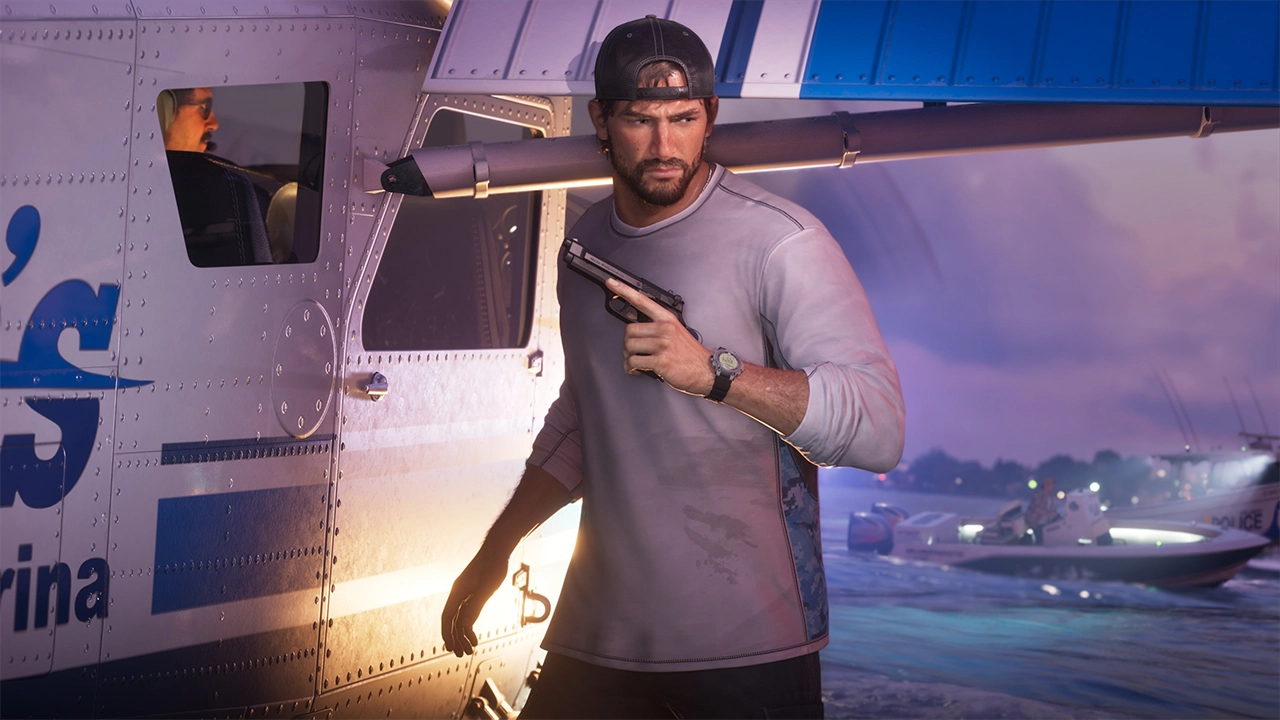

Grand Theft Auto games don't start with a script, a character, or even a story beat. According to Rockstar Games' own Head of Development, they start with a plane ticket.
In a recent interview with French outlet TroisCouleurs, Rob Nelson pulled back the curtain on the early creative process behind Grand Theft Auto VI, revealing a methodical, almost architectural approach to building a fictional world before a single mission is designed. The picture that emerges is less "video game pitch meeting" and more location scouting for a feature film — because, as it turns out, that's essentially what it is.
Step One: Pick a Place, Then Go Live There (Sort Of)
Nelson explained that the process begins with choosing a real-world setting. For GTA VI, that meant Miami. From there, a Rockstar team physically travels to the region to determine which elements of the real location deserve a place in the game's fictional counterpart.
It's not just sightseeing. The goal is to identify the texture of a place — the things that make it feel like itself — and figure out how to translate that into something playable.
Step Two: Build Out the "Special Areas"
Once the core setting is locked in, Rockstar starts layering in what Nelson called "special areas" — the regions surrounding the base location that give the map its variety. For GTA VI, that includes the Everglades and other pockets of Florida life well outside the neon glow of Vice City proper.
These aren't just scenery. According to Nelson, the team studies local life in these areas and deliberately exaggerates it into what he described as a "warped sort of version of reality" — the same trick Rockstar has leaned on for decades to make its satire land while still feeling grounded.
This lines up with separate comments from Rupert Humphries, Rockstar's Senior Vice President of Narrative, who has said that much of GTA VI's cast was shaped directly by on-the-ground research — meetings with ex-criminals, law enforcement, club promoters, and gun dealers who agreed to talk.
Step Three: Populate the Map With People, Then Hand It to the Writers
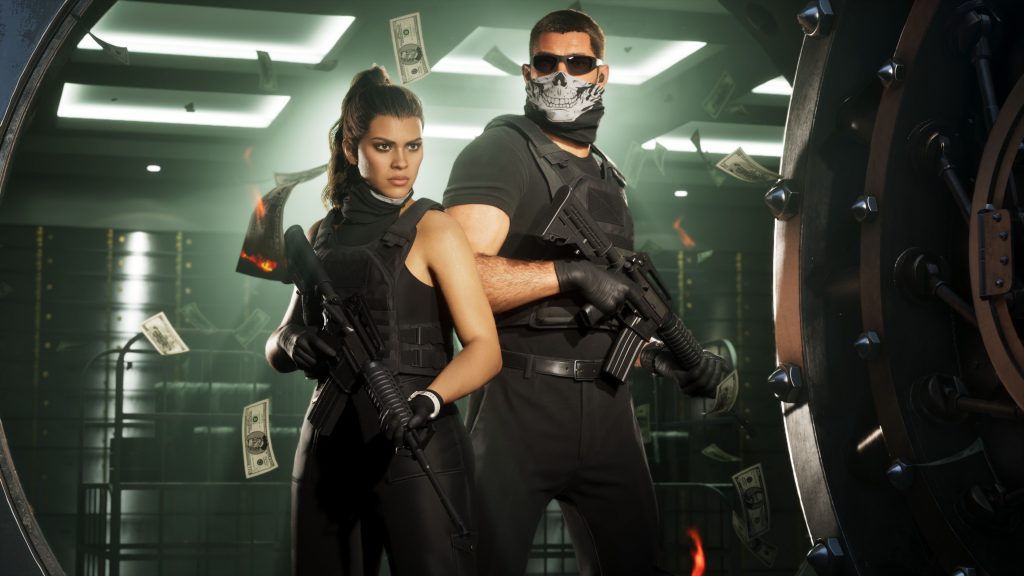
Once the geography is mapped out, Rockstar's writing team gets to work figuring out which characters belong in which parts of the world — someone navigating a drug deal in the Everglades, for instance, or getting caught up in a police raid on a tower block.
Only after that groundwork is laid does Humphries begin actually writing the story. Nelson described the starting point as a single page outlining, in broad strokes, where the main characters begin and why they're on the move. From there, the writing team maps out which missions function as narrative "catalysts" — the story beats designed specifically to push players from one part of the map to the next.
Step Four: Build the Tentpoles First
Because GTA games are built around freedom as much as structure, Rockstar prioritizes what Nelson called "tentpole" missions — the major set pieces and narrative beats that anchor the world and get built out before smaller content. Story chapters are then used to break up the overall experience, a structural choice Nelson noted GTA VI shares with Red Dead Redemption 2.
Even with tentpole missions locked in, Rockstar has to account for player unpredictability — designing systems flexible enough to absorb the fact that players rarely do exactly what a script expects them to.
The Takeaway
What Nelson's account makes clear is that GTA VI's world wasn't designed backward from a plot. It was built the way a location scout builds a film set — geography first, character second, story last — with Humphries' narrative team essentially writing into a space Rockstar had already spent months studying and reshaping. It's a process that helps explain why Rockstar's worlds tend to feel lived-in long before players ever pick up a mission marker.
Recommended Comments