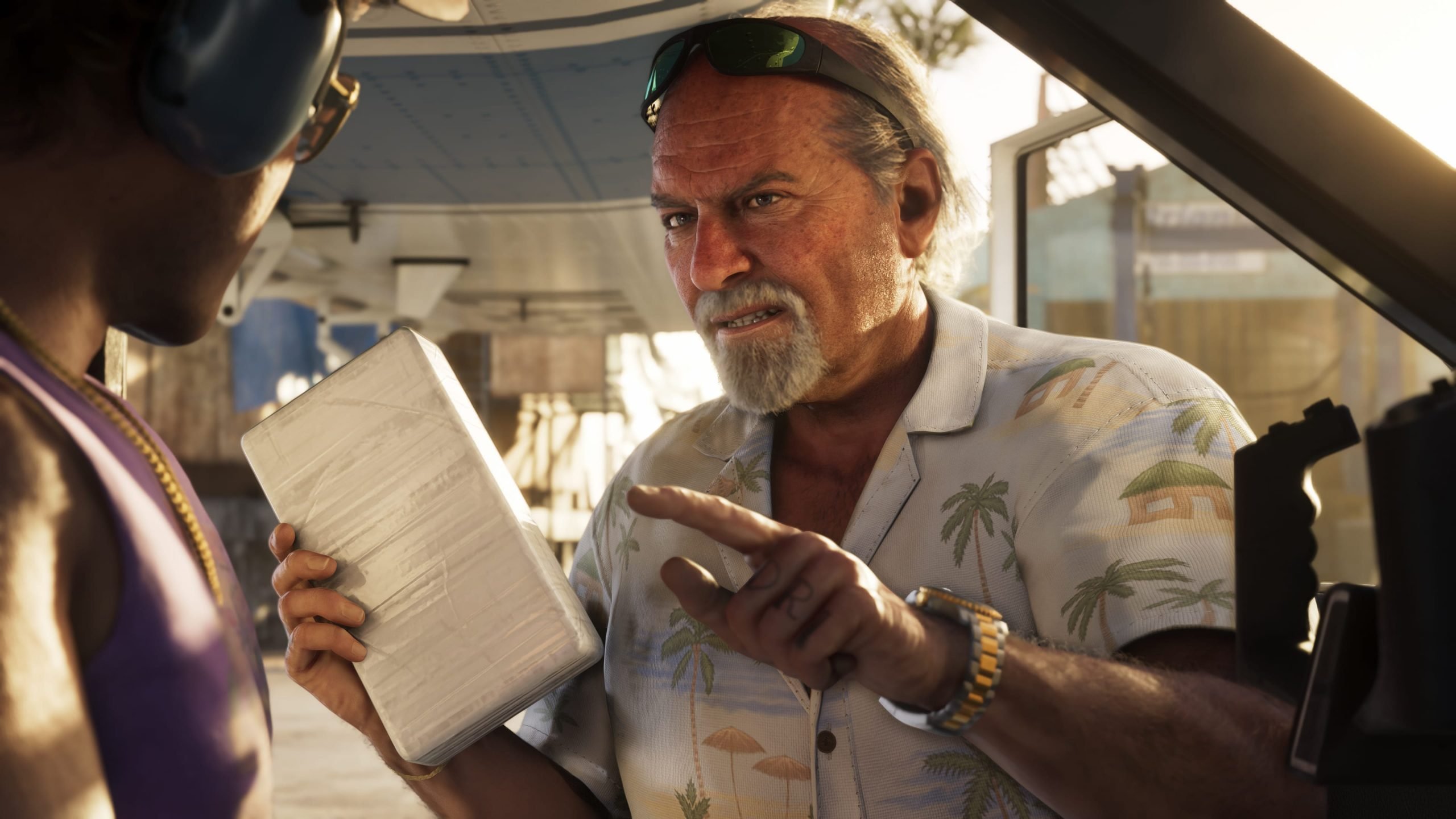
As anticipation for GTA 6 continues to grow ahead of its planned 2026 release, one of the biggest questions surrounding the game hasn’t just been about gameplay or pricing — it’s been about commercialization. In an era where modern games are increasingly filled with sponsorships, product placements, and advertising integrations, many fans wondered whether Rockstar Games would eventually bring real-world brands into the world of GTA.
According to , the answer is no.
Speaking during a recent interview at the iiCon gaming event in Las Vegas, the CEO explained that will maintain the franchise’s long-standing tradition of fictional brands and parody advertising instead of incorporating real-life corporate partnerships.
Zelnick emphasized that Rockstar wants to remain “true to the underlying intellectual property” and preserve the fictional nature of the GTA universe. The series has always relied on satire — mocking consumer culture, politics, social media, fast food, celebrity culture, and capitalism through fictional companies and absurd in-game advertisements. Replacing those with real sponsors could fundamentally change the tone of the experience.
That creative philosophy is a major reason the decision matters.
Why Fictional Brands Matter in GTA
For decades, the GTA franchise has built one of gaming’s most recognizable fictional worlds. From Cluckin’ Bell and Sprunk to Ammu-Nation and Weazel News, Rockstar’s parody brands are woven into the identity of the series itself. They don’t just fill space — they help deliver the social commentary that makes GTA unique.
Real-world branding could dilute that satire.
Imagine a GTA radio station interrupting its comedy programming with a genuine soft drink commercial or a real luxury car company appearing during a chaotic police chase. It may generate millions in sponsorship revenue, but it could also undermine the exaggerated, cynical tone that defines the franchise.
Zelnick’s comments suggest Rockstar sees authenticity to its own fictional universe as more valuable than potential advertising profits.
The Industry Is Moving Toward Ads — But Rockstar Isn’t
The gaming industry has increasingly experimented with in-game advertising, especially in live-service and free-to-play titles. Sports games often feature realistic sponsorship placements, while mobile games aggressively monetize through ads and partnerships.
Even — another major franchise under Take-Two — includes advertising integrations in arenas and broadcasts to mirror real-world basketball presentation. But Zelnick drew a distinction between realism in sports simulations and the fictional satire of GTA.
That distinction is important because GTA isn’t designed to recreate reality exactly as it exists. It exaggerates reality to criticize it.
And fans seem to agree.
Across gaming communities and social media, many players have reacted positively to the idea that GTA 6 will avoid heavy-handed commercialization. Some gamers have argued that modern entertainment already feels oversaturated with advertising, and they view Rockstar’s approach as refreshing. Others believe parody brands are simply part of what makes GTA feel like GTA.
Rockstar’s Confidence Speaks Volumes
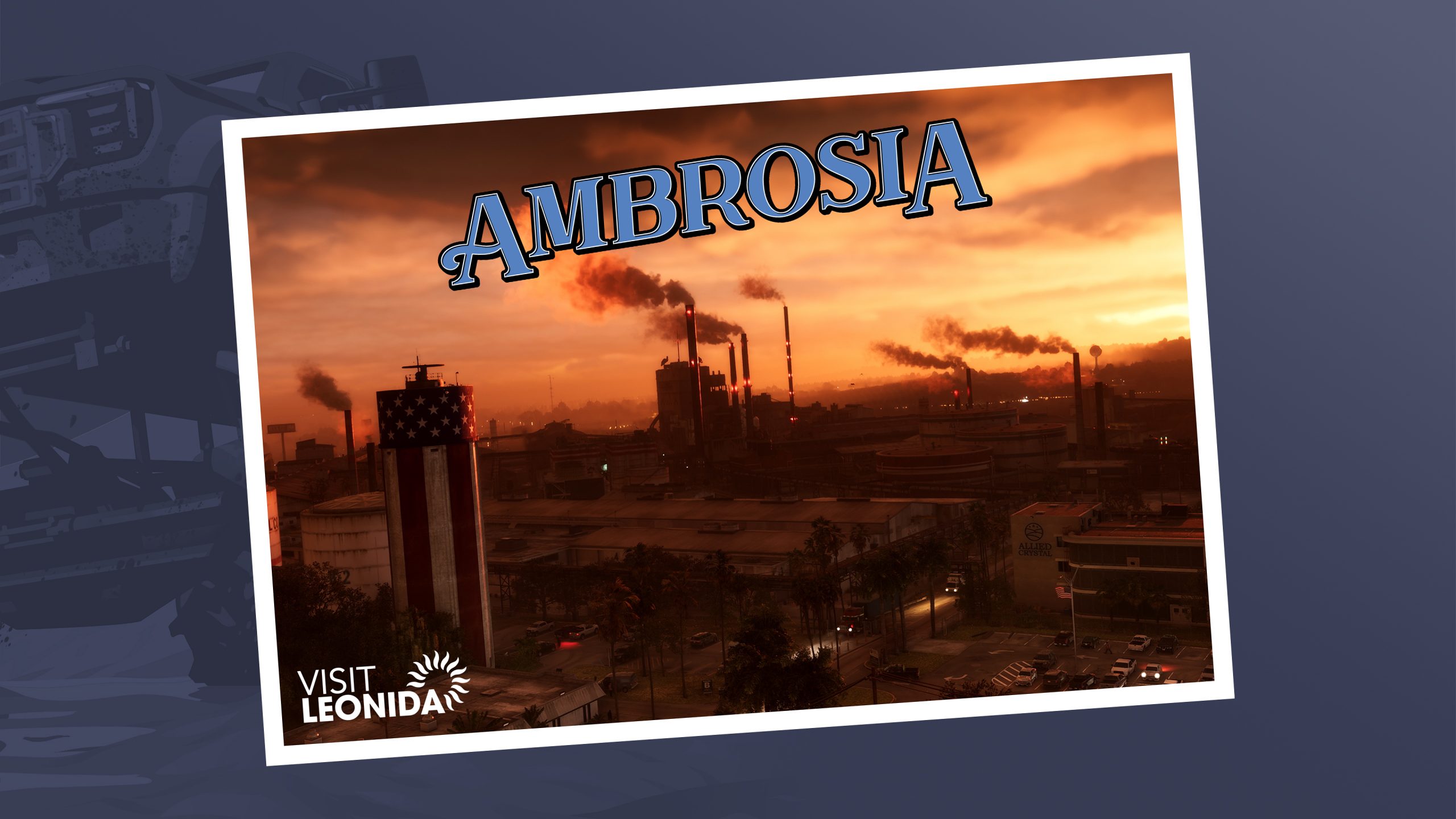
The refusal to include real-world advertising also highlights Rockstar’s unusual position in the entertainment industry: it doesn’t really need outside brand partnerships.
is already expected to become one of the biggest entertainment launches in history. Analysts and fans alike anticipate record-breaking sales, massive online engagement, and a cultural moment extending far beyond gaming.
Because of that, Rockstar can afford to prioritize creative consistency over additional monetization strategies.
Ironically, real companies would likely benefit more from appearing in GTA 6 than Rockstar would benefit financially from including them.
A Bigger Message About Rockstar’s Design Philosophy
Zelnick’s comments also reinforce a broader pattern surrounding GTA 6: Rockstar appears focused on protecting immersion and maintaining a carefully controlled vision for the game.
Recent statements from Take-Two leadership have repeatedly emphasized quality, value, and authenticity over short-term monetization trends. The company has already pushed back against concerns about excessive advertising and disruptive monetization in premium games.
At a time when many AAA publishers are aggressively pursuing live-service revenue streams, Rockstar’s stance may help GTA 6 stand apart even more.
The result is a surprisingly simple message:
GTA’s world works best when it belongs entirely to Rockstar — fake brands, fake corporations, fake media outrage, and all.
Recommended Comments