




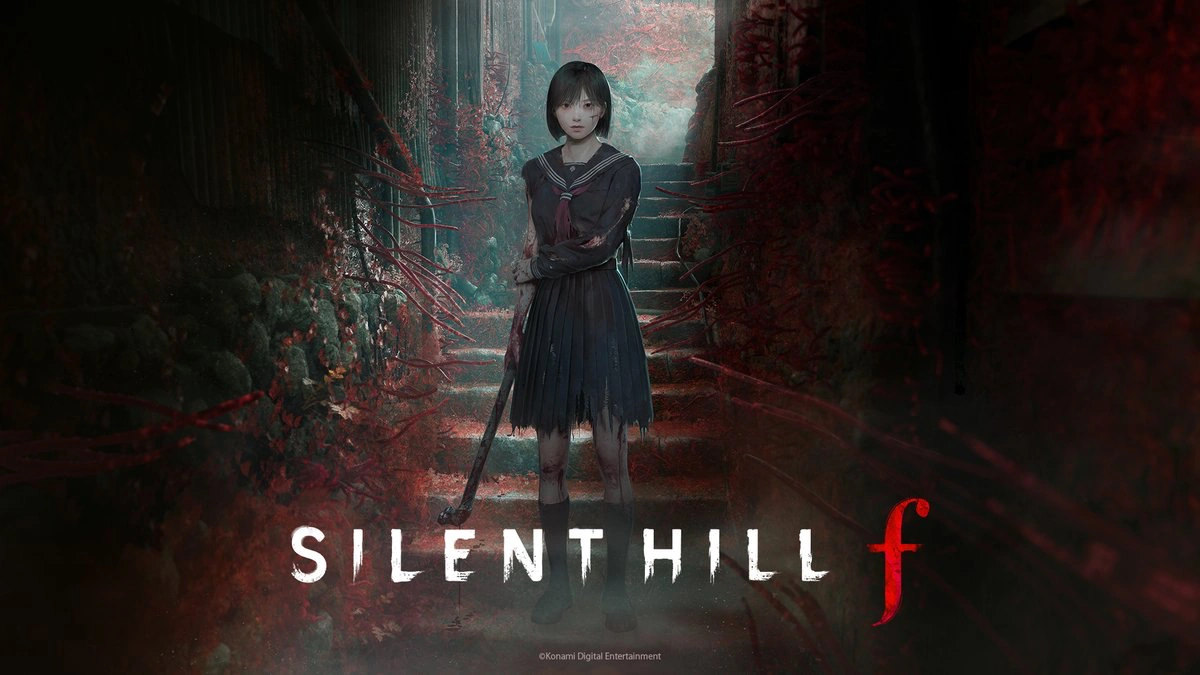

For decades, Silent Hill was defined by rust, industrial decay, and the fog-drenched streets of an American town. Silent Hill f shatters that mold violently and beautifully. By transporting the franchise to 1960s rural Japan, the game doesn't just refresh the scenery; it redefines what "Silent Hill" means as a concept, proving that the town's curse is not geographical—it is psychological.
The Setting: The Horror of the Higanbana
The most striking aspect of Silent Hill f is its visual identity. Gone is the chain-link fence and peeling paint. In its place is a creeping, organic corruption.
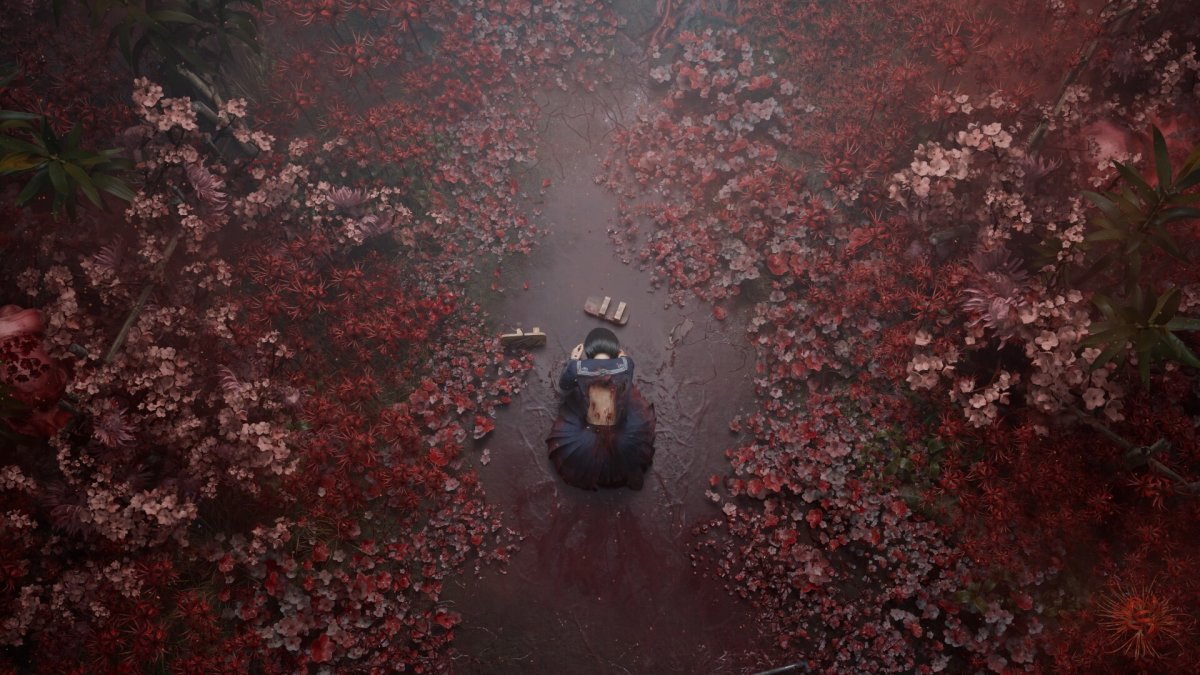
The game leans heavily into the symbolism of the Red Spider Lily (Higanbana), a flower associated with death and the afterlife in Japanese folklore. The way the environment shifts from a serene, sun-drenched Japanese village into a trypophobic nightmare of holes, red weeds, and blooming flesh is technically stunning. It is "beautiful horror" in the truest sense—you want to look away, yet you can't stop staring at the intricate, floral gore.
The Narrative: The Ryukishi07 Touch
The involvement of Ryukishi07 (creator of Higurashi: When They Cry) was the game's wildcard, and it pays off immensely.
Psychological Depth: The story moves away from the "guilt" trope of Silent Hill 2 and leans into themes of repression, societal pressure, and ancient curses.
The "Slow Burn": Much like Ryukishi07’s visual novels, the game begins with an eerie sense of normalcy that slowly rots away. The dialogue is sharp, unsettling, and filled with the kind of paranoia that makes you question if the monsters are real or if the protagonist is losing their mind.
The Ending: Without spoiling it, the conclusion is as devastating as it is inevitable, leaving players with questions that linger long after the credits roll.
Gameplay: Tension Over Action
Silent Hill f returns to the franchise's roots of disempowerment. You are not a soldier; you are a victim.
Combat: Resources are scarce. Melee combat feels desperate and clumsy, encouraging flight rather than fight.
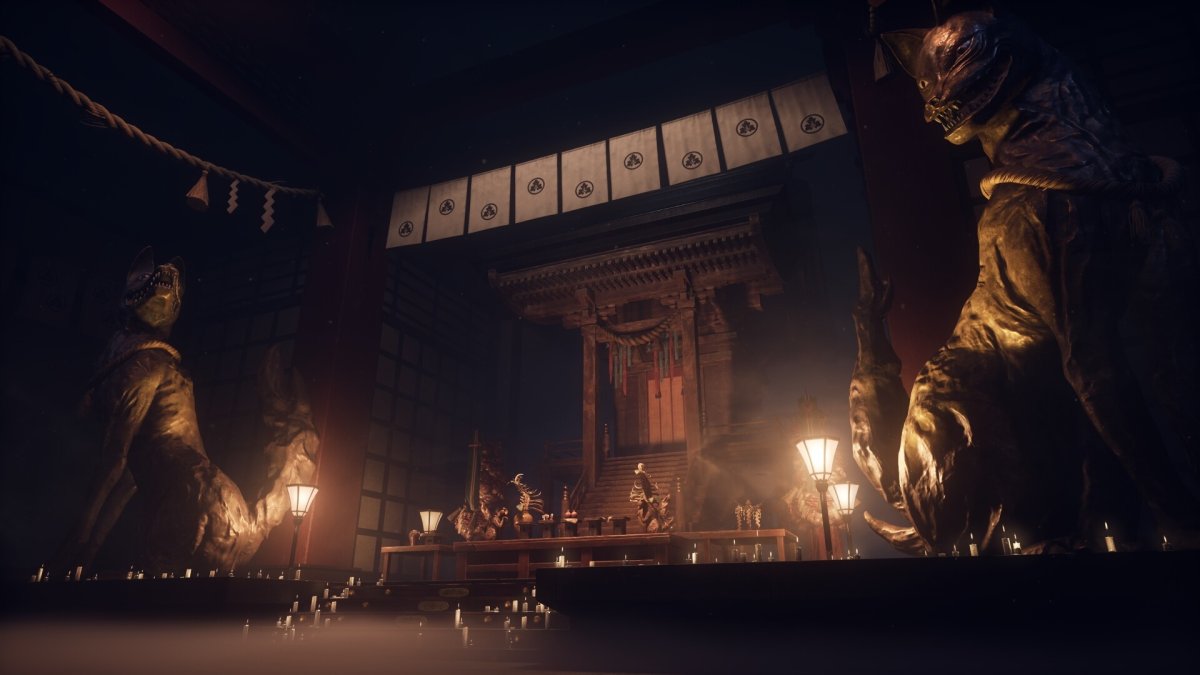
Puzzles: The puzzles are context-appropriate for the 1960s setting, utilizing analogue technology and shrine rituals, feeling organic to the world rather than "gamey."
The Verdict
Silent Hill f is the boldest entry in the franchise since The Room. It successfully decouples the series from the American Midwest while keeping the core identity: the manifestation of inner darkness. It is disturbing, tragic, and visually unparalleled.
Score: 9/10
Key Takeaways (Real-World Context)
If you are looking forward to the actual release, here is why this game is currently generating so much hype:
eature | Why it Matters |
The Writer (Ryukishi07) | Famous for Higurashi and Umineko. He is a master of "cute/peaceful" settings that descend into extreme brutality and psychological torture. |
The Setting (1960s Japan) | A completely new era and culture for the series, allowing for new types of folklore-based monsters rather than recycled Pyramid Head tropes. |
The "f" in the Title | Theories suggest it stands for forte (music), flower, or fungus. The trailer shows skin peeling away to reveal flowers, suggesting a "body horror" approach. |
Recommended Comments