



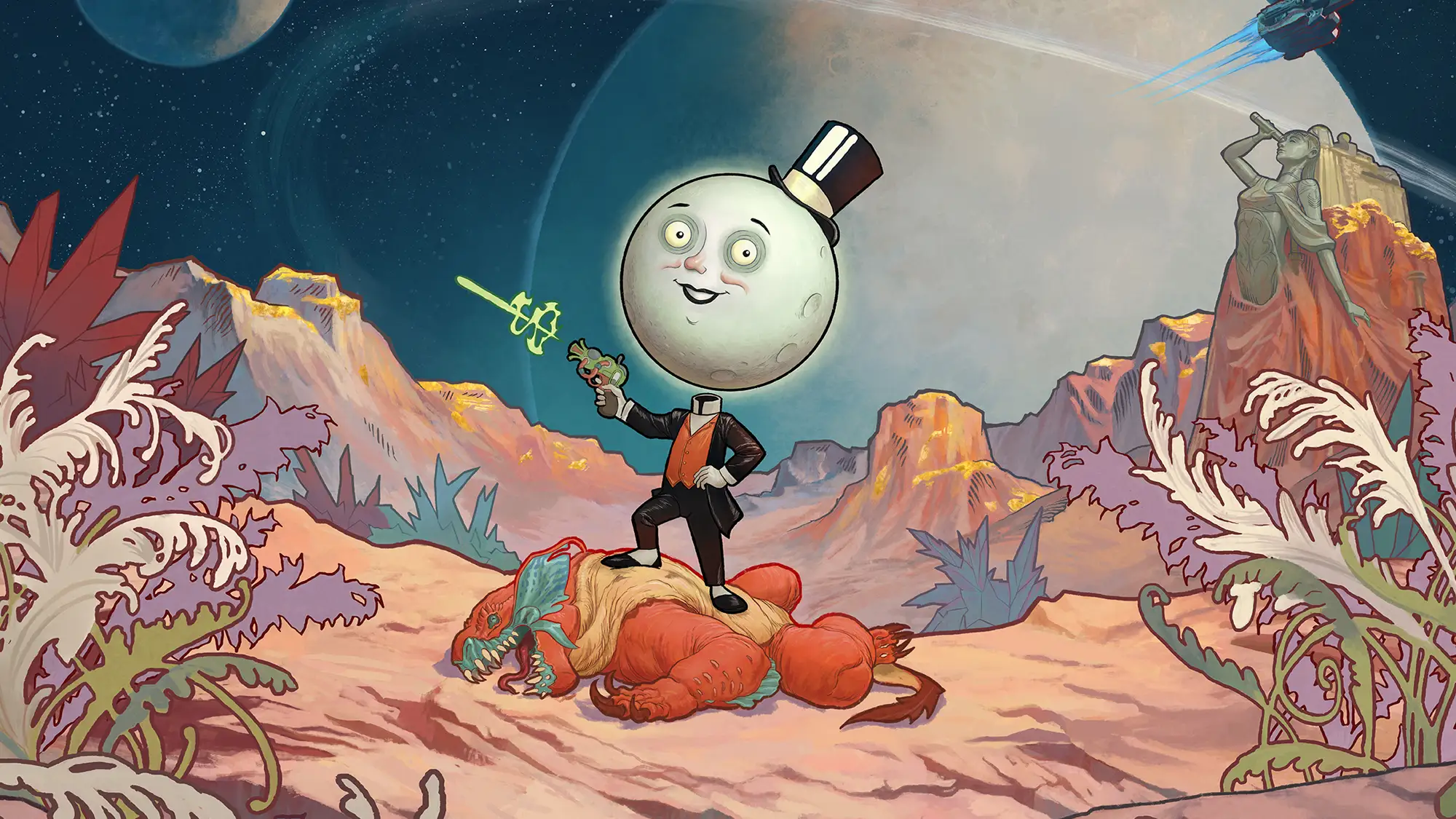

Your latest mission as an Earth Directorate agent is to investigate the source of certain perilous rifts. However, the sabotage of this investigation leaves you drifting unconscious through space for a decade.
The galaxy you wake up in is both familiar and different: factions have splintered, emerged or even merged, while the forces of capitalism are as rampant as ever. For you, the objective is clear: track down the one who wronged you and decide on their fate.
A return to Obsidian's corporate satire
Despite being a sequel, The Outer Worlds 2 shares little in terms of story with the first game. It’s set in a new colony with a new cast. You don’t need to have played the first one to get into this one. But if you’ve played the first installment, you will have a pretty good idea of what’s on offer: a space opera that leans on corporate satire (the irony is not lost here with Obsidian being under the umbrella of a giant corp itself).
Unlike the first game in this series, The Outer Worlds 2’s plot is less on the nose with its “capitalism=bad” message. The narrative is more nuanced while carrying similar overarching themes. Being an Obsidian game, you can expect the same wittiness in exploring relatable issues that come to be expected from its titles.

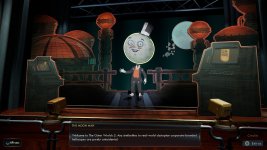
Characters also have depth to their personalities. As you interact with the main cast, you get to learn about their backstories and motivations, helping better relate to them. While it is not as well-implemented in every NPC - the main antagonist, for one, doesn’t immediately come off as particularly interesting - it helps in fleshing out its universe. The conversations you engage in with your expanding crew or NPCs who will inevitably throw side quests at you are memorable as you actively engage in tasks (and, sometimes, combat) that aid them (or not).
The Outer Worlds 2’s environments are varied and detailed. Whether you are exploring your spaceship the Incognito or venturing on a new planet, the world building remains strong. For the inquisitive gamer, notes and conversation logs reveal details about the world and its inhabitants. Doing so might also provide hints or leads that can be used in conversations and side quests. Venturing off the beaten track often offers some of the game’s best moments: inventive, surprising and often hilarious encounters and discoveries. This encourages and rewards exploration, and the game doesn’t offer a dull moment in indulging in such practices.
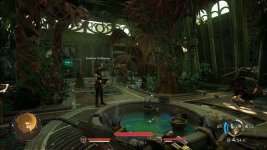
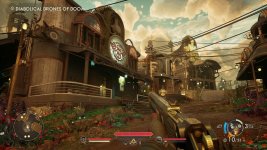
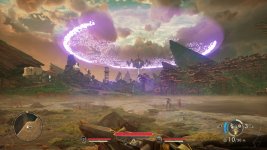
Assemble your crew, embrace your flaws and embark on adventures!
As an immersive simulation, The Outer Worlds 2 offers an extensive level of player agency. From the moment you boot the game, you can customise your character’s appearance and attributes. Your in-game choices further influence your progress. Should you side with this authoritarian faction to get easier access to where you need to be? Or should you aid the one under attack, despite their questionable practices? Whatever your choice, the intrigue of alternative scenarios persists, encouraging replays.
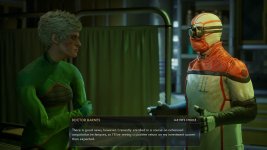
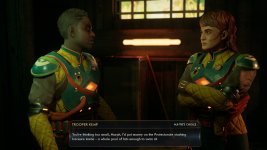
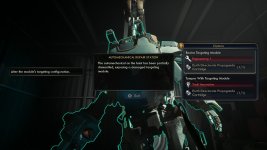
More often than not, there are multiple ways to tackle quests. The game offers a freedom of play style, allowing you to mix and match stealth, frontal assault or other approaches based on the situation you find yourself in. Other pathways can also open up based on information you find by exploring. Conversations will indicate that you might be missing some key information, encouraging you to comb your area for additional clues. Such levels of experimentation contributes to player agency while making your playthrough unique.

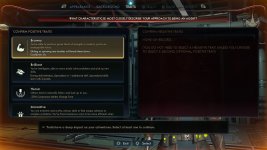
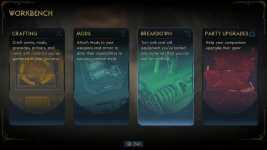
As an RPG, The Outer Worlds 2 comes with the expected gamut of character customisation from upskilling to equipment management. One of the freshest additions is the way choices can mould your character beyond a morality system. Right from the character creation stage, you have to pick positive and negative traits. This balances out your character’s attributes, offering a fair challenge in the game.
Furthermore, when leveling up, you will often be offered flaws. These are additional traits that you can choose to accept or reject, and are based on your character’s actions leading up to that point. For example, if you’ve been on a buying spree at vendors, you might get the ‘Consumerism’ flaw. It reduces vendor prices but also the value of items you sell. It’s a smart design that integrates with the game’s themes around consequence and corporate hubris.
Obsidian’s latest magnum opus
It’s been a busy year for Obsidian, with the launch of Avowed, Grounded 2 (Early Access) and, now, The Outer Worlds 2. Each of these titles are recommended in their own right, and The Outer Worlds 2 is the company’s latest hit, until the next one, if this year’s trend is any indication.
This sequel rarely feels boring with the levels of player-driven choices, rich world-building and freedom of playstyles. That said, there are some areas where it falters, even if slightly so. Some narrative beats occasionally slow down and take a detour that feel like layers of fluff added to stretch a map. The restrictions of certain actions or conversation options that require specific skills that you didn't opt for can get on your nerves. It’s as if the game is gently waving you away from accessing all of what it has to offer. But this is a purposeful design that nudges towards replayability where different builds unlock different doors, further hammering in the aspect of player-driven choices.
My main gripe has to do with the narrative exposition. The game all too often takes a hand-holding approach to sinking you in its lore, from your preset objectives to the faction-led universe. This limits self-discovery of the intricacies of the world, as if the developers don’t trust the player in doing so. There is plenty of exploration and lore to flesh out by checking logs and talking to NPCs, but the main gist feels like it’s presented to you so that you can’t miss it. It’s not a bad approach for a narrative-driven game, but can feel odd for those who have experienced other titles in the genre.
Nevertheless, The Outer Worlds 2 remains an engaging and entertaining game. If you are into sci-fi RPGs, you’ll want to try this one out. If you’ve played the first title, this one will feel like an improvement. The writing remains a high point with its wittiness and satire that defines this universe. Obsidian might have found its own Fallout franchise and I hope to see more installments in the future.
Recommended Comments