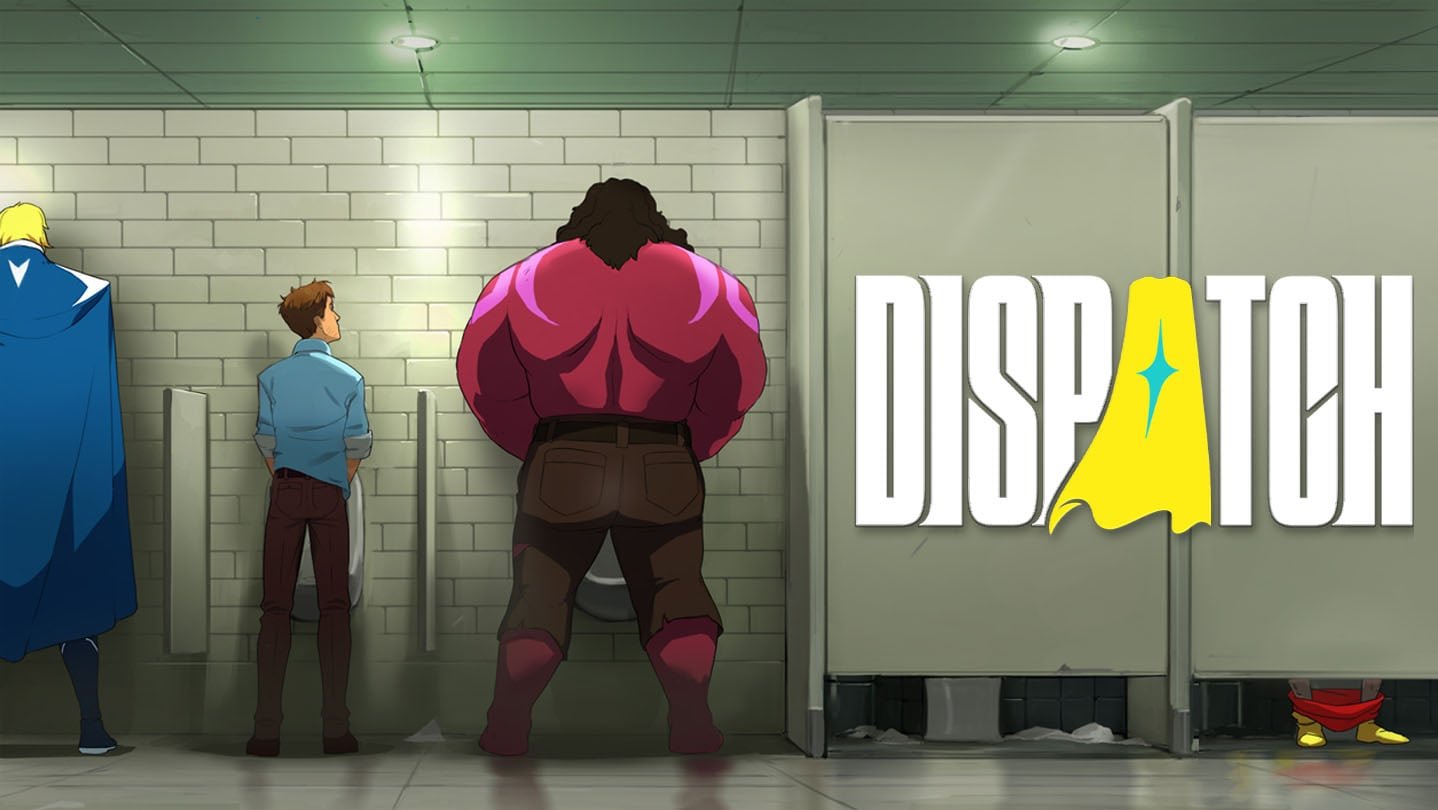

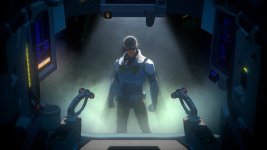
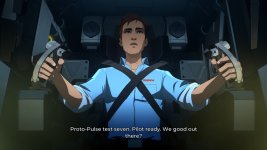
Once Mecha Man, the superhero behind an armoured suit, Robert Robertson finds himself working for the Superhero Dispatch Network (SDN). This follows a mission where the suit was wrecked. Now working as a dispatcher, he is in charge of managing and strategising a roster of heroes to handle emergencies across Los Angeles.
However, he is not overseeing a regular group of heroes. The Z-team, as they are known, is made up of former villains. On top of attempting to create a synergistic team with this bunch of misfits, Robert will have to juggle between office politics, personal relationships and rebuilding his suit. The outcome will rely on your decisions.

From flailing superhero to superhero manager
Dispatch flips the superhero script. Instead of donning a cape, you sit behind a desk and manage chaos behind the scenes. It’s a simple yet original concept that helps us, mere humans, relate better to the plot.
Across its eight episodes, it keeps the right balance of comedy, drama, character development and superhero action. The need to see through the misfit team of supervillains-turned-superheroes and get up to speed with the evolving in-game relationships kept me hooked to the game. I was totally invested in the plot as it evolved, not unlike a soap opera.


Once I completed an episode, I couldn’t wait to jump onto the next. Each is well paced, at around 1 hour per episode, which feels like the right length, although I felt it breezed past me. My interest in this game was surprising, as I am not particularly drawn to the superhero genre, and I'm also not a fan of episodic structure. It attests to the excellent execution of the narrative, despite basing itself on a familiar genre.
While it does have some narrative hiccups and overused tropes, especially in the final stretch, the writing sticks the landing. It is much better executed than other recent episodic titles like Lost Records: Bloom and Rage.
The star-studded cast also helps bring the characters to life. From Breaking Bad’s Aaron Paul to Westworld’s Jeffrey Wright and Critical Role members (as well as a few YouTubers), the Z-team is excellently portrayed.
Its cartoon-style aesthetics are a right fit for its setting. The animation is also on point, with action scenes packing a punch and characters’ feelings acutely conveyed in their body language. Despite the kid-friendly look, it is not exactly PG-certified as the game doesn’t hesitate to indulge in gore and adult themes. Think of it more akin to Invincible rather than Teen Titans.


The Telltale DNA
While Dispatch is AdHoc Studio’s debut game, the development team includes writers and directors of Tales from the Borderlands and The Wolf Among Us; and it shows. The Telltale Games DNA is apparent in this title. From the episodic structure to the branching narrative design, Dispatch feels like a Telltale game in the best ways.
While Telltale games are traditionally more involved, allowing you to control the main character, Dispatch feels more like a visual novel. You don’t actively control Robert, but are watching the events unfold. But it wouldn’t be totally fair to call it a visual novel as Dispatch is more involved than one.
You are frequently presented with timed choices, which often lead to branching narrative paths and, ultimately, the ending that you experience. Decisions can vary in their weight, from choosing how to pose as Mecha Man to making moves towards a romantic partner. These add a layer of urgency in the heat of the action.

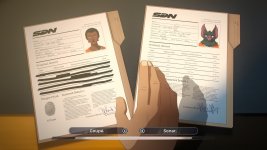
However, the timed mechanic can feel overwhelming. As the countdown begins in the middle of a conversation, you might be tempted to jump on an option before getting the full context at the sight of the depleting timer.
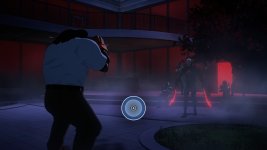
The game also includes optional QTEs during cutscenes. These can be toggled off, as it is the narrative choices that matter.

In the shoes of a superhero dispatcher
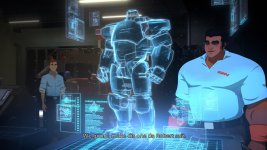
In addition to narrative choices, another core mechanic is that of dispatching superheroes. While on a shift at SDN, you are given control of the dispatcher console. You have to decide which Z-team member to send on which mission, immersing you in the role of a superhero dispatcher.
This is the most hands-on that the game gets. While the premise sounds simple enough, dispatching involves considerable strategising and hero management. You will have to assign heroes to missions that best suit their abilities. If not, they won't perform well, impacting their scores and upgrades. If they succeed, they earn skill points that you can use to upgrade their skills.
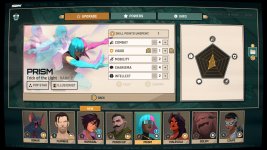
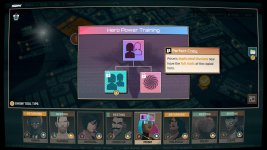
In some missions, more than one hero can be assigned. This can lead to complementary skills, increasing your chances of success. But to successfully implement such strategies, you will have to know your team members and pay close attention to the requirements of the mission.
Similarly, in-between missions, some unexpected events can happen; you need to choose between some options, and knowing your hero’s strengths and weaknesses will help in making the right decision. For example, if Flambae has been trapped en route for a mission, it's better to use an offensive or explosive option rather than one that requires intellect

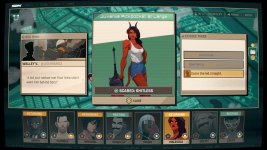
Somehow, this gameplay aspect reminded me of the likes of football managers. Luckily, Dispatch does a great job at smoothly onboarding you as the newest dispatcher, so the learning curve doesn’t feel particularly steep.
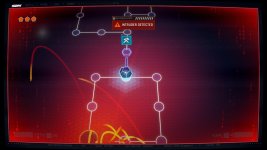
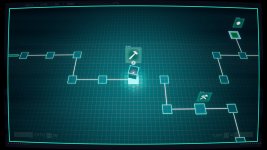
Heroes also engage in conversation during missions, breaking the monotony and making the universe feel lively. There are also occasional hacking puzzles sprinkled in some missions, which help in diversifying the gameplay.
Dispatch: behind-the-scenes heroism
Dispatch is a witty and enjoyable superhero story with a layer of strategising mechanics that rethinks heroism from behind the scenes. Its absorbing workplace dramedy, combined with light management sim and impactful narrative choices, creates a unique hybrid that sticks the (superhero) landing. Even if the superhero genre doesn’t pique your interest, it’s well worth trying out Dispatch now that all of its episodes are available.
Recommended Comments