



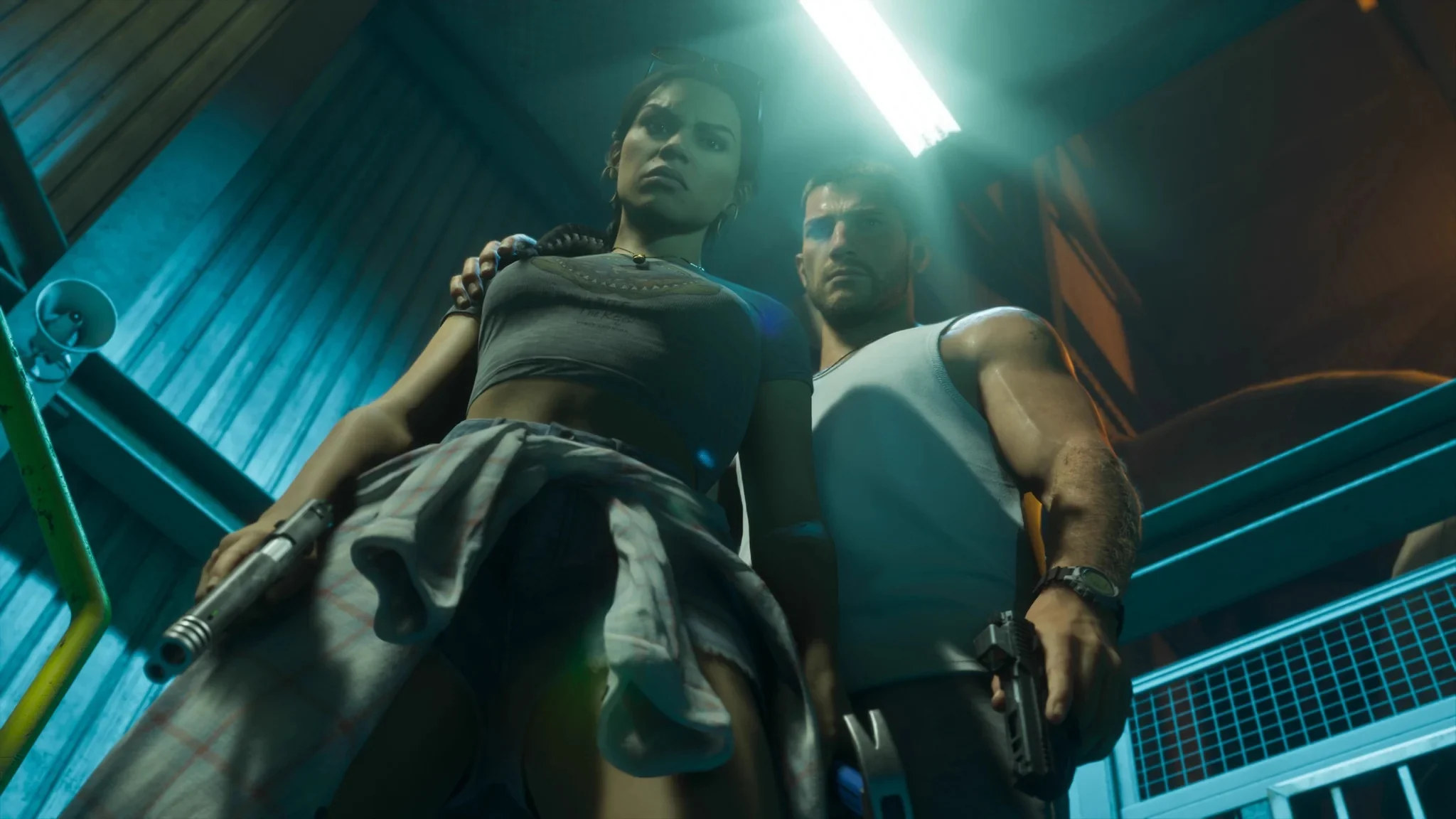

When Rockstar confirmed in June that the boxed edition of GTA 6 would hold a download code and no disc, the backlash was immediate. Collectors and retailers argued that the game's launch could be the moment physical games finally died. Two days after release, the picture looks different. GTA 6 has just posted one of the biggest launches the industry has seen, and the thing it supposedly killed was already on life support.
Take-Two says GTA 6 sold roughly 32.5 million copies and about $3.79 billion in revenue through the end of launch day. Almost none of that depended on a disc. The standard edition shipped as a boxed code at $79.99. A $100 Ultimate Edition was sold only digitally. Take-Two had also said before launch that its business is already more than 90% digital.
The numbers back up the premise. A GTA 6 install runs about 212 GB, which is a lot to ask of a single disc. Most buyers preordered digitally months ago and pre-loaded the game before launch day. For them, a disc would have been something to leave on a shelf.
The objections were legitimate. Without a disc, buyers can't lend the game to a friend, trade it in, or resell it. Two independent retailers, Video Games Plus and Loot Box Gaming, said they wouldn't stock the code-in-box edition at all. Some boxed buyers have reported missing or already-redeemed codes. With no disc to fall back on, a bad code leaves them with nothing.
Still, the protest hasn't shown up in the sales figures. One shop in Leicester reportedly sold five copies of GTA 6, according to a BBC interview cited in the GTA BOOM report this piece draws on. If that is the real physical demand for the biggest game of the year, Rockstar did not make a hard decision. It put a number on one that had been made already.
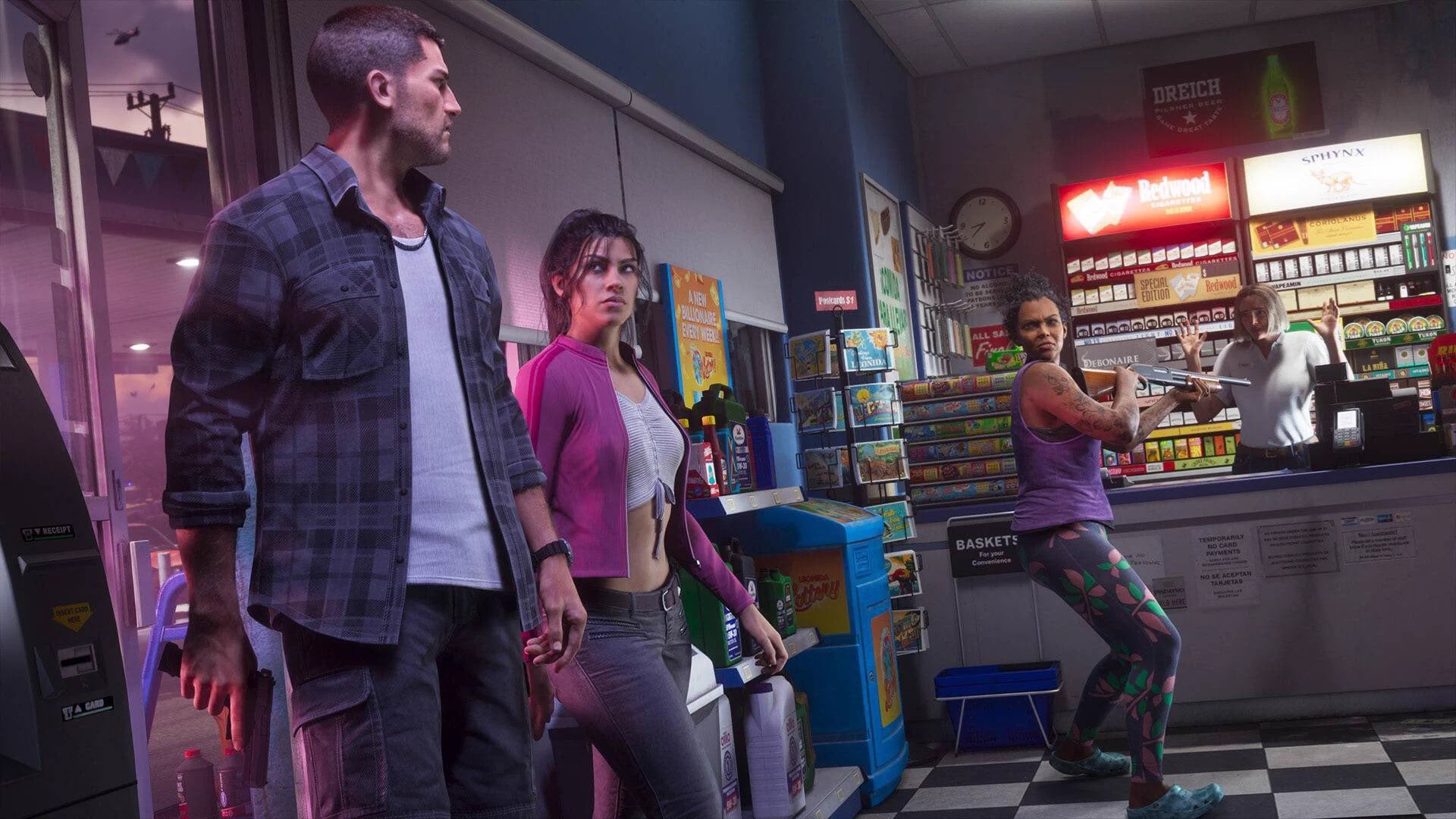
Rockstar hasn't explained why it skipped the disc. Reducing leak risk is a popular theory, given how often GTA 6 material surfaced before launch. The larger forces were already in motion before Rockstar announced anything. In July, Sony said it would end physical disc production for new PlayStation games starting January 2028. Analysts have pointed to margins as the likely reason, since a digital sale earns the platform holder far more than a boxed one. Sony has also reported that around 85% of PlayStation games are now sold digitally.
In other words, a box with a code in it is mostly a way to buy a digital game in a shop. Rockstar's choice fit where the platforms were already heading.
If the market has moved on, the debate over ownership hasn't. French presidential candidate Jean-Luc Mélenchon cited GTA 6 and Sony's 2028 deadline when he called for new rules around digital purchases. Brazilian federal deputy Erika Hilton filed a consumer complaint over Sony's plans. Consumer groups elsewhere in Europe have raised similar concerns, though the EU has said it lacks the authority to force disc production.
Those concerns are real, and the loss is real too: lending, resale, and permanent access are all weaker with a license than with a disc. But they are arguments about what comes next, and GTA 6 can't answer them. Its launch only shows that most players no longer treat the disc as a deciding factor.
The sentiment is even showing up in the merchandise. The Miami Heat reportedly sold out of their Vice City jerseys, which suggests the fanbase that bought GTA 6 isn't short of enthusiasm for physical objects. It just isn't spending that enthusiasm on game discs.
The takeaway from the launch isn't that Rockstar killed physical games. A record-setting release went out the door with nothing to put in a disc drive, and sales kept climbing.
Recommended Comments